
A useful classic-car sale starts before the listing goes live. Gather the car’s story, show its present condition clearly, and decide how much of the selling process you want to handle yourself.
Whether your car is a long-term keeper, a finished build or a project you will not complete, the aim is the same: give the next person enough reliable information to evaluate it. Then compare selling routes on the work, terms and outcome that matter to you.
First decide what a good sale looks like
Write down your timing, where the car can stay while it is offered, and how available you are for inquiries and viewings. Separate a firm deadline from a preference to have it gone soon.
A private sale may suit an owner who enjoys explaining the car and can manage the process. Consignment may suit someone who wants a broker to coordinate the sale under a written agreement. Compare who handles inquiries, where the car stays, how offers are presented and what each route requires from you.
Build one useful car folder
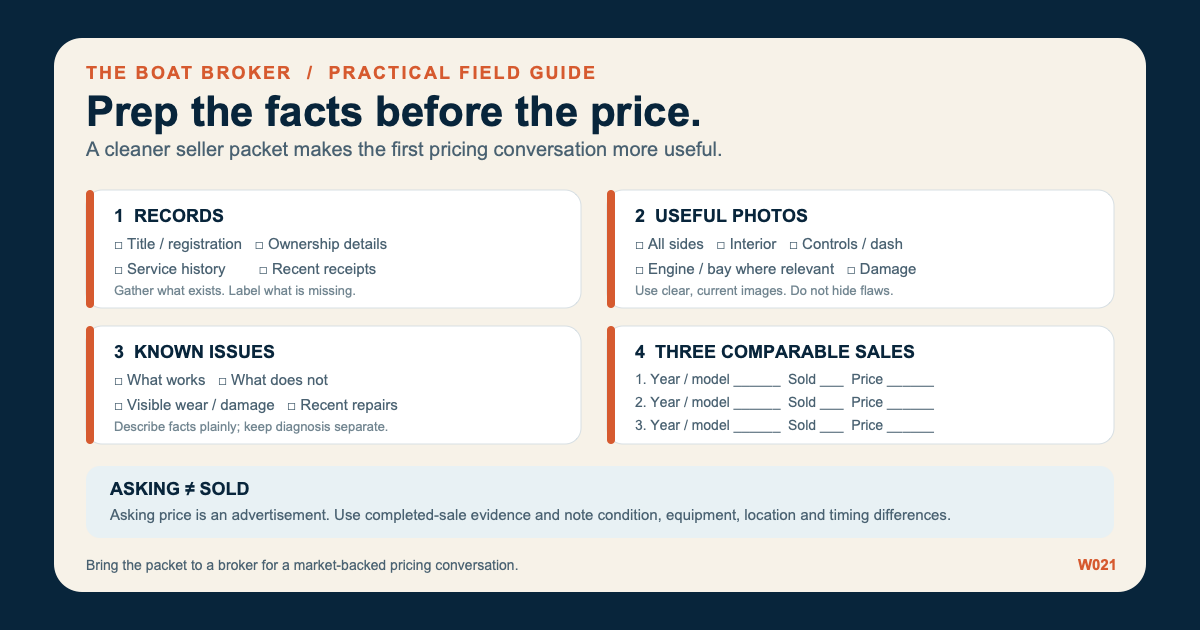
Create a digital folder and keep the original records secure. Your first pass can be simple:
- Year, make, model, body style and the vehicle identification number.
- Available ownership, registration and lien or payoff records.
- Service receipts, restoration invoices, build photographs and parts lists.
- Engine, transmission and major modifications, with supporting records where available.
- Current odometer reading, known issues and the date of the most recent meaningful use.
Distinguish what you can document from what a previous owner told you. If a drivetrain is believed to be original but you have not verified it, say that instead of turning a belief into a numbers-matching claim.
For an Arizona transaction, review MVD’s current seller guidance early. It covers ownership transfer, odometer information, plate removal and the Sold Notice; ask MVD or the dealer about the requirements for your particular title and ownership situation.
Show the car you actually have
Wash it, clear out personal items and choose a simple background for photographs. Capture a consistent set of exterior angles, the interior, engine compartment, trunk, instruments and visible problem areas, without filters that hide condition.
Photograph a paint blemish from close enough to explain it and farther back to show its location. Keep sensitive information out of public photographs; share ownership records through the process agreed with the buyer or broker.
Write a short condition note alongside the pictures: what operates, what needs attention and what remains untested. Hagerty’s listing guide also emphasizes honest disclosure, useful photographs and documentation.
Before spending on paint, upholstery or mechanical work, ask the broker or an appropriate specialist which issues need attention and obtain an estimate. A seller’s immediate task is to make the condition understandable; a repair bill is not a promise of an equal increase in sale proceeds.
Use comparable cars not just impressive prices
A recent result for the same year and model is only a starting point. Compare body style, drivetrain, options, originality, restoration quality and condition before treating another car’s sale as evidence for yours.
Hagerty’s condition and valuation explanation shows why those differences matter. An older restoration with visible wear should not be evaluated as if it were a fresh concours car.
Build a short worksheet with one row for your car and one row for each comparable. Record the source and date, whether the number is an asking price or completed sale, the price, specification, condition, documentation and the important differences from your car. Use the pattern to prepare questions for a broker rather than treating one result as the value of your car.
Use a one-page comparable-sales worksheet
My car — Year/model/body style: ____ | Engine/transmission: ____ | Original, restored or modified: ____ | Condition and known issues: ____ | Documents: ____ | Mileage: ____
Comparable 1 — Source/date: ____ | Asking or sold: ____ | Price: ____ | Year/model/body style: ____ | Condition/documents: ____ | Important differences from mine: ____
Comparable 2 — Source/date: ____ | Asking or sold: ____ | Price: ____ | Year/model/body style: ____ | Condition/documents: ____ | Important differences from mine: ____
Comparable 3 — Source/date: ____ | Asking or sold: ____ | Price: ____ | Year/model/body style: ____ | Condition/documents: ____ | Important differences from mine: ____
After you fill it in, identify the closest documented completed sale, if you have one, and write down the two differences most likely to affect your car’s value. If you only found asking prices, label that gap and ask the broker for sold comparables.
Compare private sale and consignment
|
Decision |
Private sale |
Consignment |
|---|---|---|
|
Presentation and inquiries |
You create the listing and respond to buyers. |
Confirm the broker’s marketing and inquiry-handling scope. |
|
Viewings and inspections |
You organize access and the process. |
Confirm where the car stays and who coordinates access. |
|
Pricing and offers |
You research, negotiate and decide. |
Review the agreed value, offer process and seller obligations in writing. |
|
Timing and completion |
You coordinate the steps with the buyer. |
Review the agreement’s duration, completion process and payment terms. |
Use the table to identify the jobs you want help with. If a service is important to your decision, ask whether it is included, who is responsible and how you will receive updates.
What the process at The Boat Broker means for a seller
The Boat Broker’s current consignment page describes no fees to consign, a fair market value agreed together and a check for that amount within 10 business days after the vehicle sells and delivers. The business has been serving Havasu for 40 years.
Before you decide, a dealer reviews the vehicle and the current written agreement with you. Bring questions about where the car stays, how inquiries and offers are handled, what records are still needed and what happens at the end of the initial term. The current written terms for your unit control the arrangement.
The Top Lot automotive page explains the local service. If selling this car is part of an upgrade, browse the current classic-car inventory and ask a broker whether a car that interests you is still available and how your sale could fit with the purchase.
Take one useful next step
Send the year, make, model, current photos, known condition and preferred timing through the consignment enquiry form, then ask for a time when a broker can inspect the car with you. Bring the records you have; the broker can identify what is still needed and review the current written terms before you decide.
